
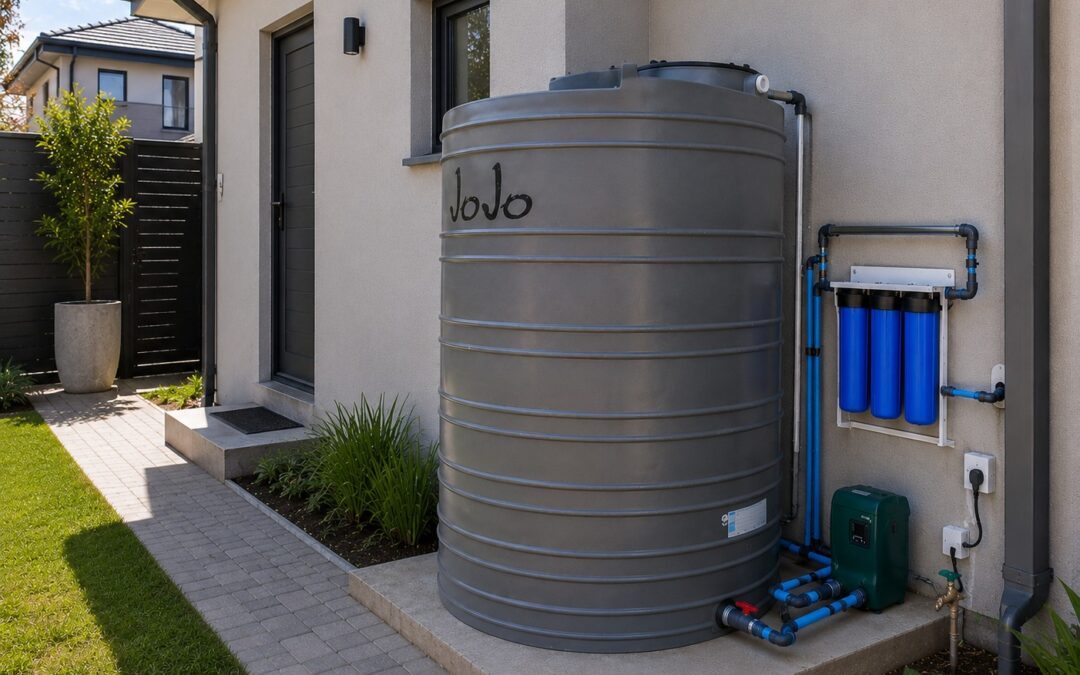
With increasing water shortages and municipal water outages across Gauteng, more homeowners are looking for reliable ways to ensure their families have access to water when they need it most.
At Imperial Landscapes, we have installed numerous water backup systems over the past five years for homeowners in Pretoria, Centurion, Irene, Midrand and surrounding areas. During that time, we’ve seen firsthand how frustrating water outages can be and how much peace of mind a properly designed backup water system can provide.
One of the most common questions we receive is:
“How much does a backup water system cost?”
The answer depends on several factors, including the size of the tank, the pump selected, filtration requirements and the complexity of the installation. However, understanding the basics can help you make an informed decision before investing in a system.
What Is a Backup Water System?
A backup water system stores municipal water in a tank and automatically supplies water to your home during water outages.
Most homeowners want a system that allows them to continue with normal daily activities such as:
- Showering and bathing
- Flushing toilets
- Washing dishes
- Brushing teeth
- Cooking and cleaning
A professionally installed system typically includes a water tank, pump, plumbing connections and optional filtration components.
For more information about complete system options, visit our Backup Water Systems page.
How Much Does a Backup Water System Cost?
The cost of a backup water system can vary significantly depending on the requirements of the property.
As a general guide:
Entry-Level Systems
Suitable for smaller households or shorter water outages.
Typical investment: From approximately R10,000+
Standard Family Systems
Suitable for most households requiring reliable backup water for daily use.
Typical investment: Approximately R20,000 – R50,000+
Larger Integrated Systems
These may include larger storage capacity, advanced filtration, UV sterilisation, rainwater harvesting integration or more complex plumbing requirements.
Typical investment: R50,000+ depending on the system configuration.
Every property is different, which is why a site assessment is often the best way to determine the most suitable solution.
What Factors Affect the Cost?
1. Tank Size
One of the biggest mistakes homeowners make is assuming there is a standard tank size for every home.
In reality, the correct tank size depends on:
- Number of people in the household
- Daily water consumption
- Available space
- Budget
- Expected duration of water outages
Depending on the property, we may recommend:
- 2 x 2500L tanks
- A single 5000L tank
- 2 x 5000L tanks
There is no one-size-fits-all solution.
2. Pump Selection
In our experience, one of the most common mistakes homeowners make is selecting a pump based purely on price.
A backup water system is only as effective as the pump supplying water to the home.
An undersized or low-quality pump can result in:
- Poor water pressure
- Inconsistent performance
- Increased maintenance issues
When designing a system, we place significant emphasis on selecting the correct pump for the household’s requirements.
3. Plumbing Requirements
The existing plumbing layout plays a major role in the final cost.
Factors include:
- Distance between the tank and the house
- Connection points
- Existing water infrastructure
- Municipal water supply configuration
Every property presents unique challenges, which is why professional planning is important.
The Biggest Challenge Is Often Finding the Right Tank Location
Many homeowners assume that installing the equipment is the difficult part.
In reality, one of the most important aspects of a successful installation is finding the best location for the tank.
We consider:
- Available space
- Accessibility
- Aesthetics
- Plumbing routes
- Future maintenance access
The goal is to ensure the system functions efficiently while blending into the property as naturally as possible.
Do You Need Filtration?
Not necessarily.
In our opinion, the most important components of any backup water system are:
- Adequate water storage
- A correctly sized pump
Filtration can then be added according to the homeowner’s needs.
Many clients choose to include:
- Big Blue 3-stage filtration systems
- UV sterilisation units
- Rainwater harvesting integration
However, some homeowners already have filtration systems connected to specific taps inside the house and may not require extensive filtration at the tank itself.
Why Are More Homeowners Installing Backup Water Systems?
The answer is simple: peace of mind.
The most common concern we hear from homeowners is the fear of being without water for several days.
People are tired of:
- Carrying buckets through the house
- Bathing from small containers
- Struggling to flush toilets
- Constantly worrying about the next outage
A properly designed backup water system allows your household to continue functioning normally even when municipal supply is interrupted. While a backup water system may not increase a property’s value rand-for-rand, it can also make a home significantly more attractive to potential buyers. In areas affected by municipal water interruptions, buyers increasingly view backup water systems as a desirable feature that offers convenience, security and peace of mind.
Common Misconceptions About Backup Water Systems
“A Tank Alone Will Solve The Problem”
A tank is only one component of the system.
Without the correct pump and plumbing design, the system may not perform as expected.
“Any Pump Will Work”
The wrong pump can result in poor pressure and ongoing frustration.
“We Don’t Use That Much Water”
Most households underestimate their daily water consumption.
“The Cheapest Quote Is The Best Quote”
A backup water system is a long-term investment. Proper design, quality components and professional installation can make a significant difference in reliability and performance.
Our Advice After Many Installations
If there is one thing we have learned from installing backup water systems throughout Gauteng, it is this:
Don’t choose a system based solely on price.
Consider:
- The correct tank size
- Pump quality
- Future water requirements
- Installation quality
- Long-term reliability
A backup water system is not simply a tank and a pump. It is a complete system designed to provide reliable water to your home when you need it most.
If you are considering a backup water system, we recommend arranging a professional assessment so that the solution is designed around your property’s specific requirements.
You may also be interested in our Irrigation Systems page if you would like to connect water storage to your garden irrigation system.
Need Advice?
Imperial Landscapes designs and installs backup water systems throughout Pretoria, Centurion, Irene, Midrand, Johannesburg and surrounding areas.
If you would like advice on the right system for your home, Contact Us for a professional assessment and quotation.